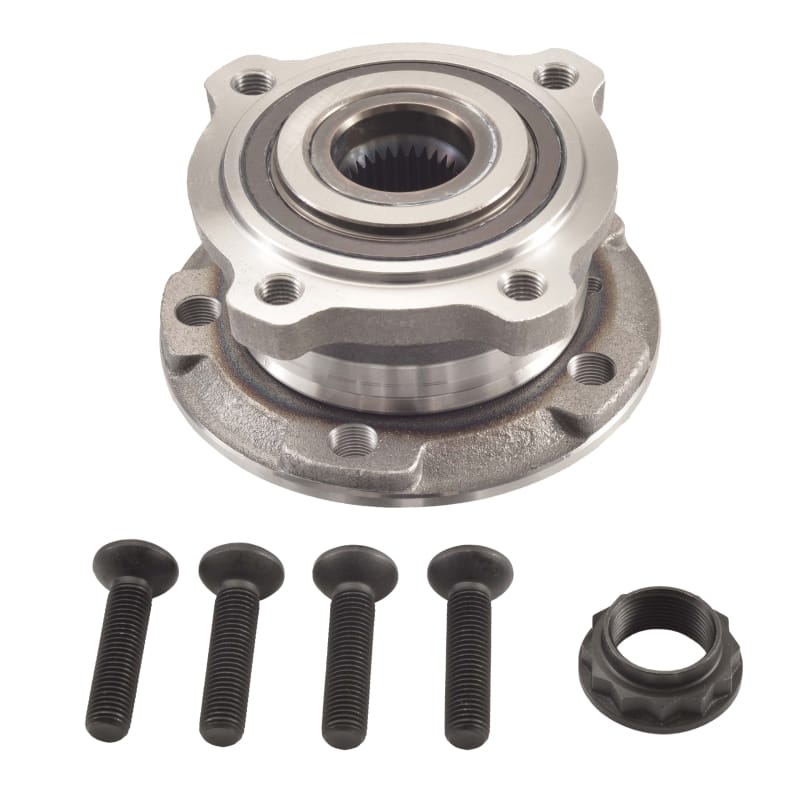
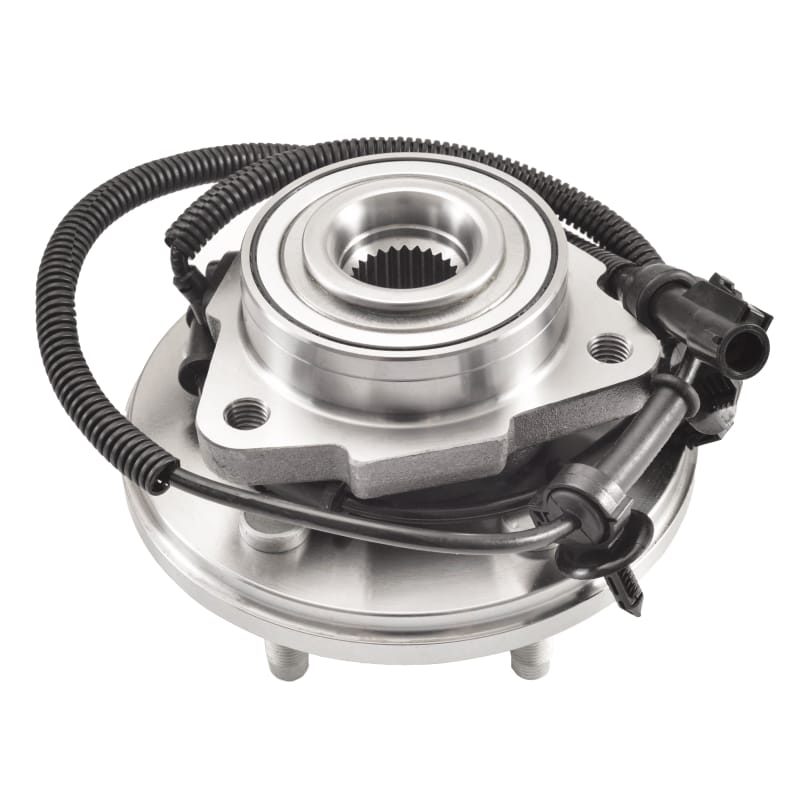
How to Fix Rear Wheel Bearings Noise: Causes and Solutions

By:Admin on 2026-02-09 02:36:57

**Addressing Rear Wheel Bearings Noise: Ensuring Safety and Performance on the Road**One of the most common yet often overlooked issues faced by vehicle owners today is noise emanating from the rear wheel bearings. Rear wheel bearing noise not only impacts driving comfort but also signals potential safety hazards that require immediate attention. Understanding the causes, symptoms, and remedies of rear wheel bearing noise is crucial for maintaining vehicle performance and ensuring the safety of all road users.### What is Rear Wheel Bearing Noise?Rear wheel bearings are essential components that allow the wheels to rotate smoothly with minimal friction. Over time, these bearings can wear out due to continual use, exposure to harsh road conditions, or inadequate lubrication. When bearings degrade, drivers may notice a humming, grinding, or rumbling noise coming from the rear wheels. This noise tends to increase with vehicle speed and can be exacerbated when turning or maneuvering.Ignoring rear wheel bearing noise can lead to more severe mechanical failures, including wheel lock-up or detachment, posing significant risks to drivers and passengers alike.### Symptoms and DiagnosisTypical symptoms of rear wheel bearing issues include:- **Unusual noises**: A consistent humming or growling sound that intensifies during acceleration or turns.- **Vibration**: Noticeable vibration in the steering wheel or vehicle body.- **Uneven tire wear**: Worn bearings can cause the wheels to tilt slightly, resulting in tire wear that is uneven or excessive.- **Wheel play**: Excessive movement or looseness in the wheel when checked physically.Early diagnosis is vital. Technicians often rely on physical inspections, listening for noise during test drives, and using specialized tools to measure bearing play.### Causes of Rear Wheel Bearing NoiseSeveral factors contribute to the premature wear of rear wheel bearings:1. **Contamination**: Water, dirt, and grime infiltrate the bearing casing, causing corrosion and damage.2. **Lack of lubrication**: Bearings require proper lubrication to minimize friction; insufficient grease leads to overheating and wear.3. **High mileage and age**: Bearings naturally degrade over time due to normal wear and tear.4. **Driving conditions**: Rough terrain, potholes, and frequent driving in adverse weather accelerate bearing deterioration.5. **Improper installation**: If bearings are not installed correctly, they can fail prematurely.### Repair and MaintenanceAddressing rear wheel bearing noise is straightforward if diagnosed early. The standard procedure involves:- **Removal of the affected wheel** to gain access to the bearing assembly.- **Inspection and cleaning** of the bearing and its housing.- **Replacement** of the worn bearing with a new, high-quality unit.- **Lubrication** to ensure smooth operation.- **Reassembly and testing** to confirm the noise issue is resolved.In some cases, the entire wheel hub assembly might require replacement, especially if the bearing is integrated into the hub unit.Regular maintenance, including timely lubrication and inspection during vehicle servicing, can dramatically extend bearing life.### Company Commitment to Quality Vehicle MaintenanceAt [Company Name], we are dedicated to providing top-tier automotive service that ensures your vehicle operates safely and efficiently. With years of expertise in vehicle maintenance and repair, our skilled technicians understand the importance of addressing issues like rear wheel bearing noise promptly and professionally.Equipped with advanced diagnostic tools and genuine replacement parts, we make certain that every repair job meets rigorous quality standards. Our customer-centric approach emphasizes transparency, reliability, and affordability, so you can drive with confidence knowing your vehicle is in expert hands.Whether you're hearing unusual noises from your rear wheels or seeking preventative maintenance, our team is ready to provide comprehensive inspections and tailored solutions designed to enhance safety and prolong vehicle life.### Final ThoughtsRear wheel bearing noise may seem like a minor inconvenience at first, but it is a clear signal that your vehicle requires attention. Prompt diagnosis and repair can prevent costly breakdowns and ensure safer driving conditions.If you experience any symptoms of rear wheel bearing issues, do not hesitate to seek professional assistance. Regular maintenance combined with professional expertise is key to keeping your vehicle performing optimally for years to come.For more information or to schedule a service appointment, contact [Company Name] today — your trusted partner in automotive care. Drive safely and confidently with us by your side.

Read More

Rear Hub Assembly Replacement Guide: Symptoms, Installation, and Maintenance

By:Admin on 2026-02-02 02:40:45

Certainly! Please provide the specific news content about the Rear Hub Assembly (excluding the brand name) and the company introduction you would like me to include. Once I have those details, I will draft an 800-word news article for you.

Read More

How to Fix Wheel Bearing Hum: Causes and Solutions

By:Admin on 2026-01-26 02:36:28

**Understanding Wheel Bearing Hum: Causes, Solutions, and Industry Insights**Wheel bearing hum is a common yet often overlooked issue experienced by vehicle owners worldwide. This subtle but persistent noise can indicate wear and tear in critical wheel components, affecting vehicle safety and performance. Addressing wheel bearing hum promptly is vital to ensure smooth driving experiences and prevent more severe mechanical failures.**What is Wheel Bearing Hum?**Wheel bearing hum typically manifests as a low-pitched, continuous noise originating from the wheels, which tends to change with vehicle speed and direction. It is caused by deterioration or damage to the wheel bearings – the key components that enable wheels to spin freely with minimal friction. Wheel bearings are precision-engineered to support the vehicle’s weight while allowing smooth rotation of wheels and axles.As bearings wear out due to factors such as age, poor lubrication, road conditions, and load stress, the internal components lose their smoothness, leading to a humming or grinding noise. Drivers may notice this hum intensifying during turns or at specific speeds, making it an important diagnostic indicator.**Key Causes of Wheel Bearing Hum**1. **Wear and Tear:** Normal vehicle operation gradually degrades bearings through constant friction and heat.2. **Contamination:** Dirt, water, and debris entering the bearing assembly can corrode and erode bearing surfaces.3. **Improper Lubrication:** Insufficient or degraded grease leads to increased friction and overheating.4. **Physical Damage:** Impact from potholes, curbs, or accidents may damage bearing races or seals.**Symptoms and Safety Concerns**Apart from the audible hum, signs of defective wheel bearings include uneven tire wear, vibrations in the steering wheel, and a loose or wobbly wheel. Driving with compromised bearings risks wheel lock-up or detachment, posing serious safety threats.**Diagnosis and Repair**Detecting wheel bearing issues begins with listening for hums correlating to speed and wheel direction. Mechanics may lift the vehicle to test wheel play manually and use specialized equipment like chassis ears or vibrometers for precise diagnosis.Replacement is the definitive remedy since bearings cannot be repaired. Modern wheel bearings often come as sealed units, simplifying installation and maintenance. Using high-quality, industry-standard replacement parts ensures longevity and performance.**Industry Commitment to Quality and Innovation**Addressing wheel bearing challenges requires a blend of advanced manufacturing, strict quality controls, and innovative materials. Leading automotive parts companies focus extensively on research and development to produce bearings that withstand higher speeds, heavier loads, and harsher environments.With dedicated state-of-the-art facilities, these companies implement cutting-edge technologies, such as precision machining, advanced lubrication systems, and corrosion-resistant coatings. Continuous improvements in design enhance bearing durability and reduce noise levels, directly benefiting vehicle safety and driver comfort.**Company Profile**[Company Name], a renowned leader in automotive component manufacturing, epitomizes innovation and quality in wheel bearing production. With decades of experience, [Company Name] integrates comprehensive industry knowledge with technological advancements to deliver premium wheel bearing solutions worldwide.Their extensive product portfolio ranges from standard bearings to customized variants tailored for specific vehicle models and performance demands. Rigorous testing protocols guarantee compliance with international safety standards, ensuring each bearing meets stringent durability and noise reduction criteria.Moreover, [Company Name] prioritizes sustainability by optimizing manufacturing processes to minimize environmental impact. This commitment aligns with global efforts to promote eco-friendly automotive technologies.**Conclusion**Wheel bearing hum is more than a mere annoyance; it signals critical maintenance needs impacting vehicle reliability and safety. Early diagnosis and replacement with high-quality components are essential to maintain optimal driving conditions.As the automotive industry evolves, continuous innovation in wheel bearing technology plays a pivotal role in enhancing vehicle performance. Trusted manufacturers like [Company Name] lead this progress, offering solutions that combine durability, precision, and environmental responsibility.Vehicle owners are encouraged to pay attention to unusual noises like wheel bearing hum and seek professional evaluations promptly. Ensuring well-maintained wheel bearings not only extends vehicle lifespan but also safeguards driver and passenger wellbeing on the road.

Read More