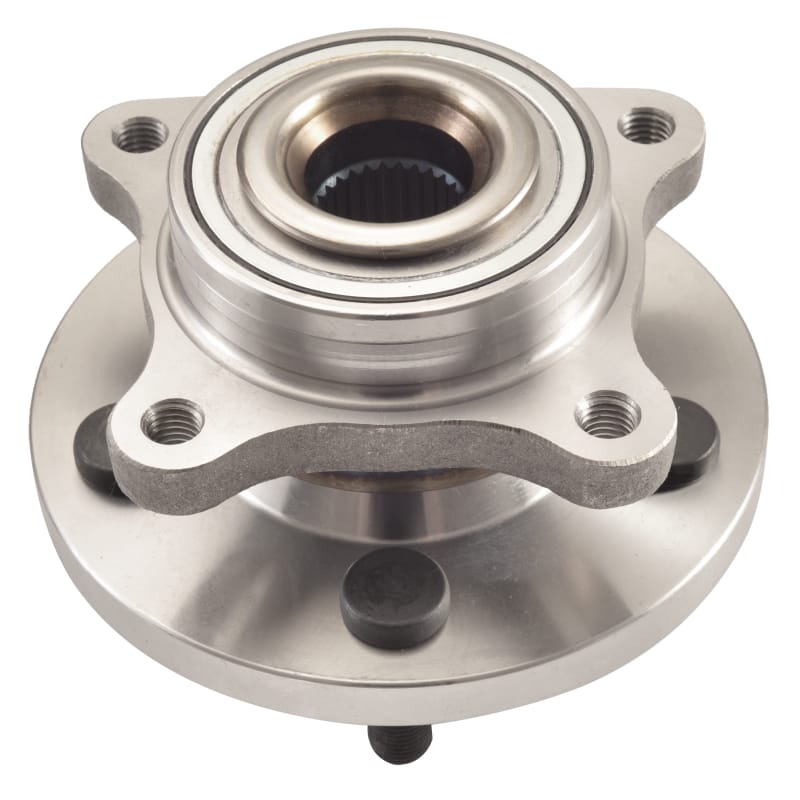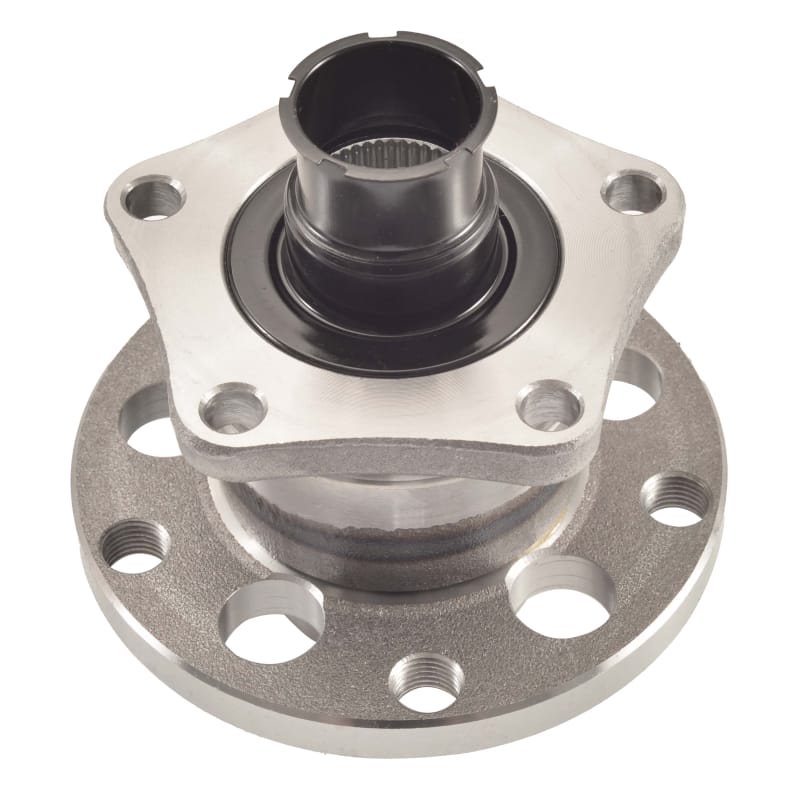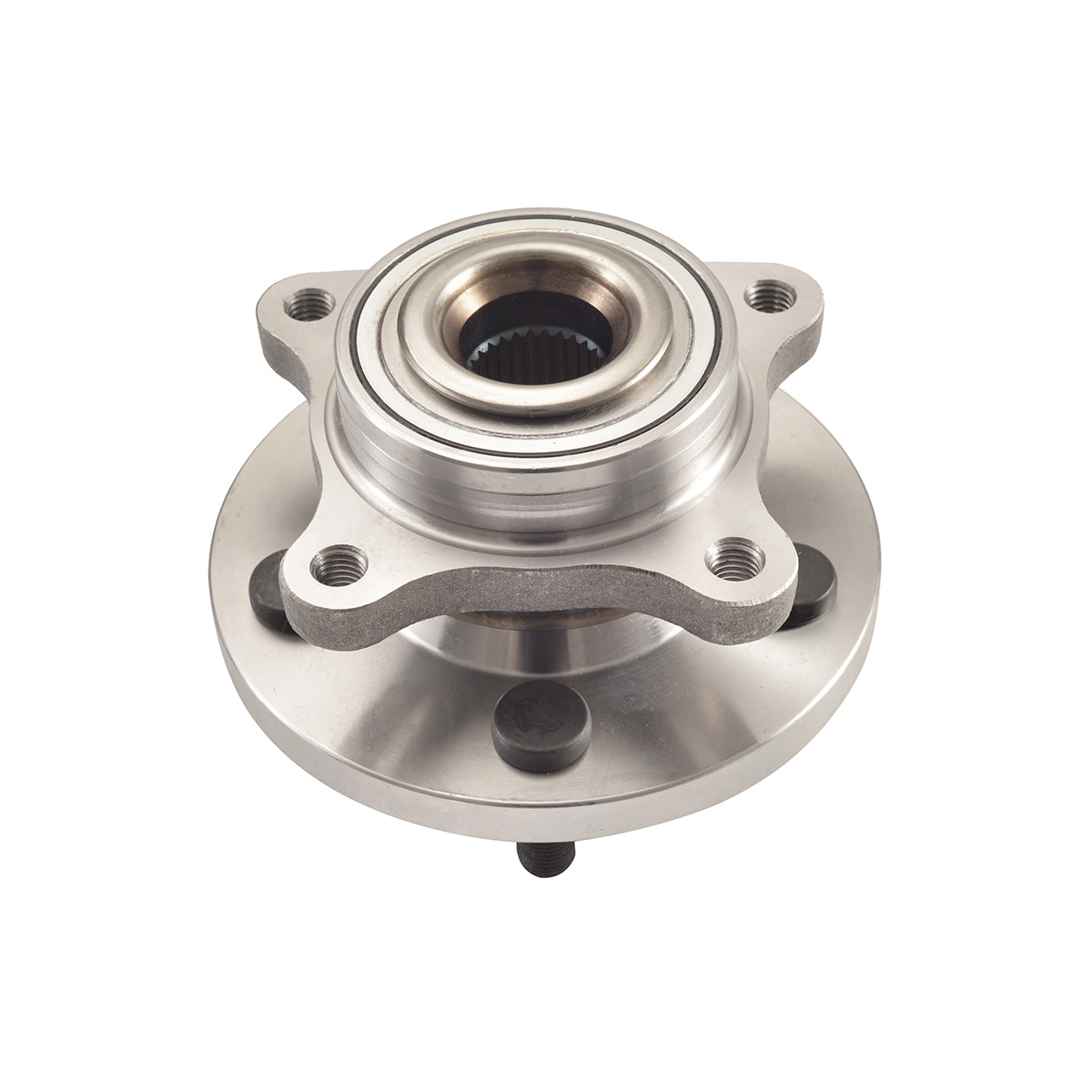
**Enhancing Vehicle Safety and Performance: Understanding Wheel Bearing Life**Wheel bearings are a critical component in any vehicle’s suspension system, playing a vital role in ensuring smooth driving, vehicle stability, and overall safety. As vehicles navigate various road conditions, wheel bearings endure constant stress and friction, which naturally leads to wear and tear over time. Understanding the factors that influence wheel bearing life and the importance of timely maintenance can significantly improve vehicle longevity and safety.Wheel bearings are essentially metal balls or rollers held together by a metal ring, designed to reduce friction between the wheel and the axle. They allow the wheels to rotate smoothly while bearing the weight of the vehicle. However, these components are subjected to harsh operational environments — exposure to dirt, water, road salt, and debris, as well as high-speed rotation and load pressure. These factors contribute to the eventual degradation of wheel bearings.**Factors Influencing Wheel Bearing Life**Several elements determine how long a wheel bearing will last, including driving habits, road conditions, maintenance schedules, and the quality of the wheel bearing itself.1. **Driving Habits:** Aggressive driving, such as hard cornering, sudden braking, and rapid acceleration, increases the stress on wheel bearings, accelerating wear.2. **Road Conditions:** Frequent driving on rough terrain, potholes, or uneven surfaces subjects the wheel bearings to shocks and vibrations, which can lead to premature failure.3. **Maintenance:** Regular vehicle inspections and timely replacement of lubricants prevent contaminants from entering the bearing housing and causing corrosion or damage.4. **Quality of Parts:** High-quality wheel bearings made from durable materials and featuring advanced sealing technology tend to last longer and perform better under stress.**Common Signs of Wheel Bearing Wear**It is essential for vehicle owners and operators to recognize signs of failing wheel bearings promptly. Symptoms include:- Unusual noises such as humming, grinding, or growling sounds coming from the wheels.- Excessive play or looseness in the wheel.- Vibration or wobbling of the steering wheel.- Uneven tire wear.- ABS system warning lights, which may indicate bearing or sensor issues.Ignoring these signs can lead to more severe damage, including wheel detachment or loss of vehicle control, posing a significant safety risk.**Extending Wheel Bearing Life**Regular maintenance is the key to prolonging wheel bearing life. This involves periodic inspection, cleaning, and lubrication as recommended by vehicle manufacturers. Replacement intervals vary depending on vehicle type and usage but generally range from 85,000 to 100,000 miles. Additionally, choosing reliable aftermarket or OEM replacement wheel bearings ensures compatibility and durability.Professional installation is also crucial. Improper installation can lead to misalignment, uneven pressure distribution, and early failure. Utilizing specialized tools and adhering to manufacturer guidelines helps maintain proper clearance and torque settings.**Industry Commitment to Quality and Safety**The automotive components industry continues to evolve, focusing on improving the durability and reliability of parts such as wheel bearings. Companies are investing heavily in research and development to enhance materials, manufacturing precision, and sealing technologies to combat environmental challenges and mechanical stress.Innovative designs incorporating advanced polymers, corrosion-resistant metals, and high-performance lubricants contribute to longer service life and reduced maintenance needs. Furthermore, increased emphasis on quality control during production ensures that each component meets stringent safety and performance standards.**Looking Ahead**As vehicles become more advanced with increasing loads and higher speeds, the demand for durable and high-quality wheel bearings will only grow. Manufacturers and service providers aiming to meet this demand must prioritize continuous innovation and customer education. Informing vehicle owners about the importance of regular inspections, symptom identification, and timely service can prevent costly repairs and enhance road safety.In conclusion, understanding wheel bearing life and its influencing factors is essential for vehicle safety and performance. Through diligent maintenance, quality component selection, and awareness of early warning signs, drivers can ensure their vehicles operate smoothly and safely for many miles to come. The industry’s ongoing commitment to excellence supports this goal by delivering reliable components designed to withstand the challenges of modern driving conditions.
Read More